


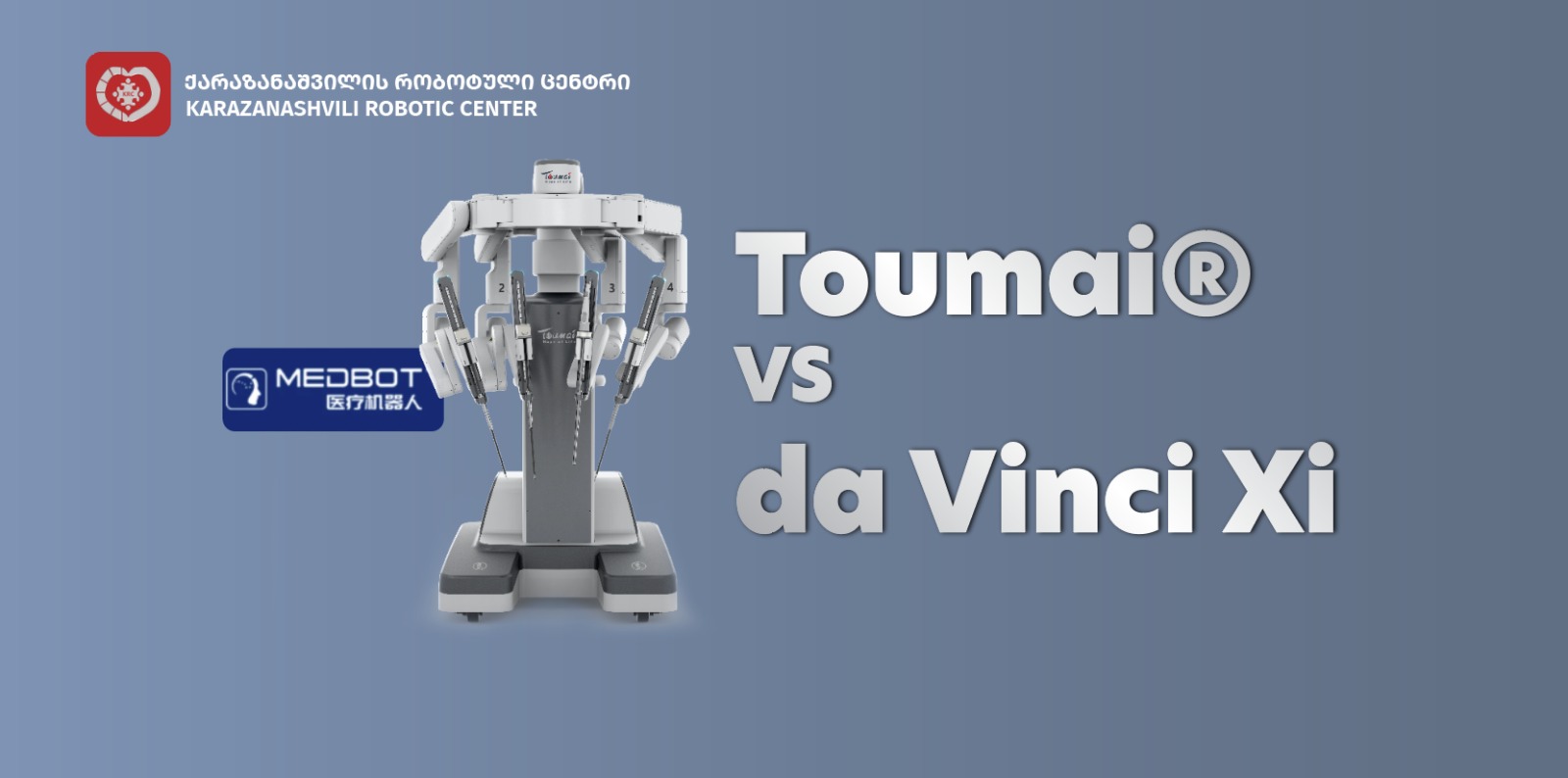
Prostate cancer represents a leading cause of morbidity among men, with robot-assisted radical prostatectomy established as the preferred surgical treatment for localized disease due to its enhanced precision and reduced complication rates. This prospective study conducted at a high-volume European center compares early postoperative outcomes of the novel Toumai MT-1000 robotic system against the established da Vinci Xi platform in 80 consecutive cases. The goal was to verify equivalence in surgery time, blood loss, hospital stay, continence recovery, and surgeon learning curves. The results demonstrate comparable performance across all metrics, with rapid proficiency achieved by experienced surgeons, suggesting that cost-effective alternatives can be safely integrated into clinical practice to broaden access to advanced surgical care.
Between May and November 2025, a prospective comparative study was conducted at Agostino Gemelli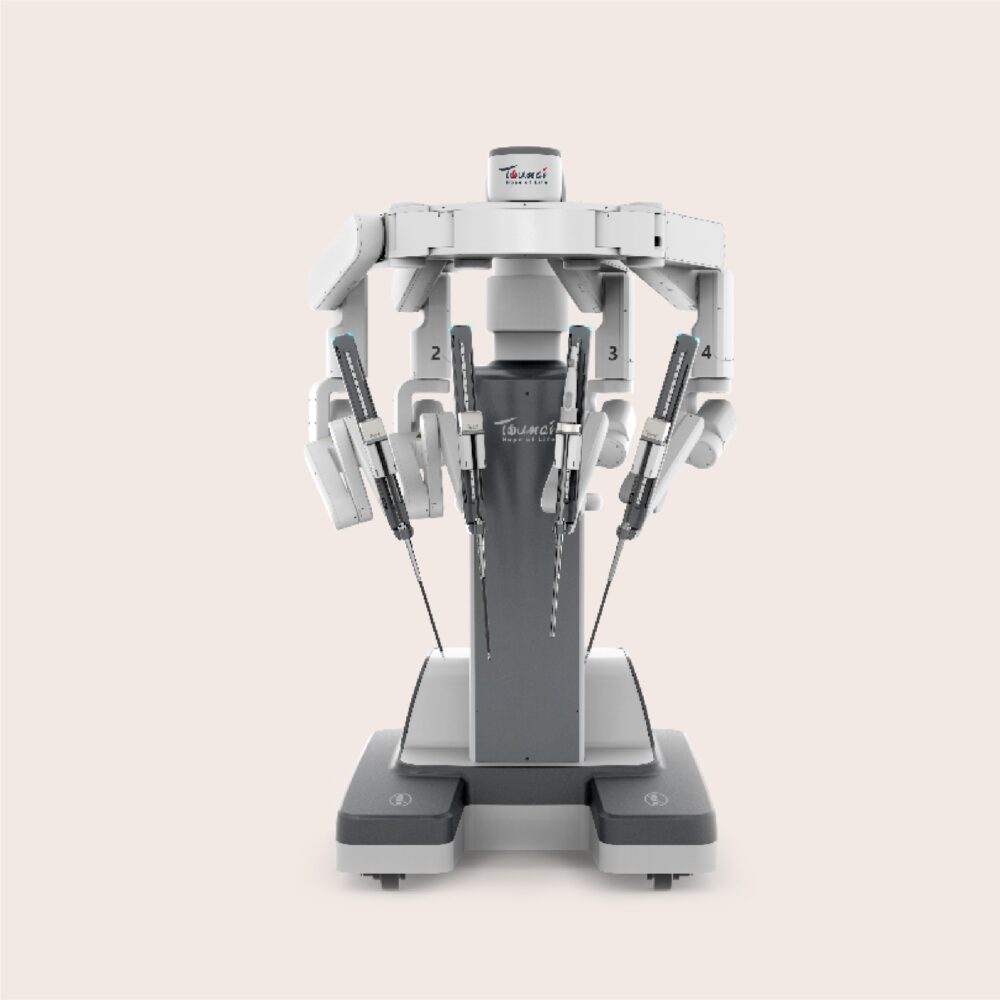 University Hospital to evaluate the clinical performance of the Toumai® Surgical Robot versus the da Vinci Xi Surgical System in robot-assisted radical prostatectomy.
A total of 80 patients with prostate cancer were enrolled and randomized in a 1:1 ratio to the Toumai® group and the da Vinci Xi group, with a 45-day postoperative follow-up completed. All procedures were performed by eight surgeons highly experienced in robotic surgery using the da Vinci system. A standardized transperitoneal approach and identical surgical steps were applied across both groups to ensure consistency and comparability.
Key findings: The two groups demonstrated comparable outcomes across all major efficacy and safety endpoints:
- Positive surgical margin rate: 17.5% in both groups
- Operative time (median): 192.5 minutes (Toumai®) vs. 183.5 minutes (da Vinci Xi)
- Estimated blood loss: 150 mL in both groups
- Length of hospital stay: Mean of 2 days in both groups
- 45-day postoperative outcomes: No significant differences observed
In terms of perioperative safety, no intraoperative complications, conversions to open surgery, device malfunctions, or device-related adverse events were reported in either group. The rate of postoperative complications within 30 days (Clavien–Dindo grade ≥ II) was 7.5% in the Toumai® group and 12.5% in the da Vinci group.
Learning curve analysis: Despite surgeons having prior experience exclusively with the da Vinci platform, the Toumai® system did not introduce additional learning barriers. CUSUM analysis indicated that experienced robotic surgeons were able to transition rapidly, highlighting strong skill transferability across robotic platforms.
Study significance: This study represents the first international head-to-head clinical comparison between Toumai® and an established robotic platform. The findings confirm that Toumai® achieves comparable safety and performance, supporting its readiness for broader clinical adoption.
In addition, Toumai® integrates haptic feedback and 5G-enabled telesurgery capabilities, offering new opportunities in surgical training, remote proctoring, and more equitable distribution of high-quality surgical resources.