


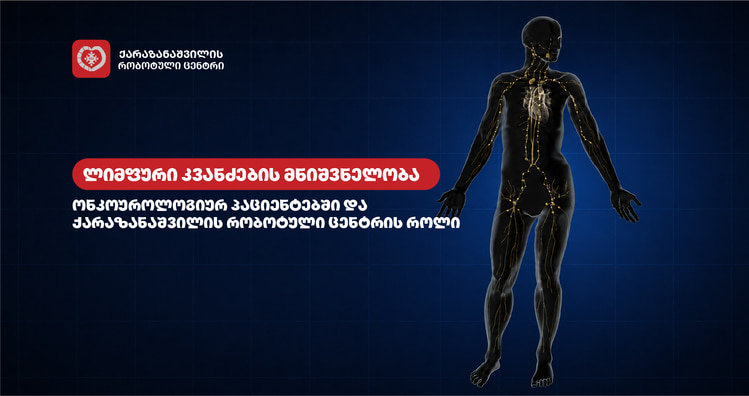
The importance of lymph nodes in patients with oncourological diseases helps determine how far the tumor has spread and how treatment should be continued.
Patients often wonder why these structures receive so much attention during the diagnostic process. In this article, we will review the role of the lymphatic system in tumor spread and explain why its thorough assessment is an integral part of the treatment process. Our goal is to provide information that will help you better understand the principles of disease management and the basis for medical decision-making.
Function and Importance of the Lymphatic System in the Body
The lymphatic system is one of the body’s key defense mechanisms. It consists of lymphatic fluid, vessels, and lymph nodes distributed throughout the body. Lymph nodes filter lymphatic fluid and contain lymphocytes, which help protect the body from infections and diseases.
Lymph nodes are arranged in groups in the neck, armpits, chest, abdomen, and groin. Before returning to the bloodstream, lymphatic fluid passes through lymph nodes and is filtered. During this process, lymph nodes are among the first structures to encounter foreign substances, including tumor cells. This is a natural barrier that attempts to prevent the spread of disease throughout the body. This part of the immune system actively contributes to the body’s protection and filtration processes.
Lymph Nodes and Oncourological Diseases
Lymph nodes play a particularly important role in oncology. A tumor does not always remain at its original site. One of the first routes through which tumor cells can spread is the lymphatic system, as cells from the primary tumor may travel through lymphatic fluid and accumulate in nearby regional lymph nodes.
In cancers of the urinary and reproductive systems, such as prostate, kidney, penile, or bladder cancer, regional lymph nodes are primarily located in the pelvis and abdominal cavity. During diagnosis, physicians assess not only the tumor itself but also whether nearby lymph nodes are involved. This assessment can significantly change the overall picture, as it helps determine the stage of the disease and the most appropriate treatment strategy.
When a tumor spreads to the lymph nodes, the clinical situation becomes more complex. Therefore, timely assessment of lymph node involvement is essential for proper treatment planning.
What Does Enlargement or Pain in the Lymph Nodes Indicate?
An enlarged or painful lymph node often causes concern, but it is not always a sign of cancer. In most cases, lymph node pain or enlargement is associated with inflammation or infection. The body is responding to a threat, causing the node to temporarily increase in size.
There is a distinction worth noting: with an infectious process, lymph node pain is often acute and develops rapidly, whereas enlargement associated with a tumor is often painless and develops gradually. This is why lymph node assessment is important, as an accurate diagnosis cannot be made based on symptoms alone.
In the context of oncourology, when we refer to cancer involving a lymph node, we usually mean that tumor cells have spread to the lymph node from another organ rather than a primary tumor developing within the lymph node itself.
Patients should pay attention to any unusual changes and seek medical evaluation in a timely manner.
Diagnostic Methods: Biopsy and Radiological Examinations
To assess lymph nodes, physicians use two approaches. Radiological methods, such as magnetic resonance imaging and computed tomography, show the size, shape, and structural changes of the lymph nodes. This allows the physician to identify the location of suspicious lymph nodes.
Size alone cannot provide a definitive answer, as an enlarged lymph node may be inflammatory, while a lymph node of normal size may contain tumor cells. For an accurate conclusion, a biopsy is required, meaning the collection of lymph node tissue and its microscopic examination. Combining these two methods provides a complete picture. Clinical experience shows that imaging alone is not sufficient. Histological confirmation is decisive when choosing a treatment strategy. Modern medicine uses advanced diagnostic tools to minimize the probability of errors.
Treatment Tactics in Cases of Lymph Node Involvement
Involvement of the lymphatic system determines the treatment plan. In modern oncology, the TNM system is used to determine the stage of a tumor, where T describes the size of the tumor, N indicates lymph node involvement, and M indicates distant metastases. The N category specifically shows whether the disease has extended beyond the primary site.
When the process spreads to regional lymph nodes, treatment often involves surgical removal of the affected lymph nodes, known as lymph node dissection or lymphadenectomy. This procedure requires a high degree of precision to remove all suspicious lymph nodes while avoiding damage to healthy tissue and nerve structures. The goal of oncourological surgery is maximum effectiveness and minimization of postoperative complications. Properly planned lymph node dissection gives the patient a better chance of achieving a favorable outcome and reduces the risk of recurrence.
Innovative Approaches at Karazanashvili Robotic Center
This is where the advantages of robotic surgery become evident. The system provides the surgeon with a magnified, three-dimensional image and neutralizes mechanical hand tremor. This makes it possible to remove lymph nodes with exceptional precision, thereby reducing blood loss as well as the risk of complications.
Karazanashvili Robotic Center is a clinic with the greatest experience in robotic surgery in the Caucasus. A full range of diagnostic and treatment services — from the management of urinary tract and reproductive system tumors to prostate adenoma treatment and shockwave therapy — is available in one location. Complex cases at the center are managed through a multidisciplinary consultation. Urologists, oncologists, and surgeons jointly assess the clinical picture and discuss an individualized treatment plan. Assessment of lymph node status is an integral part of this process, as their condition often determines the accuracy of disease management.
Post-Treatment Period and the Patient’s Role
After surgical intervention, patient monitoring does not stop. Regular follow-up is important in order to detect any changes in a timely manner. Our center provides patients with clear instructions regarding the postoperative period, ensuring the conditions for optimal recovery. The postoperative period requires discipline from both the physician and the patient.
Early detection of the disease and timely assessment of the lymph nodes are the foundation for the best possible outcome. Our team is ready to provide you with highly qualified assistance and offer modern treatment methods. The health and quality of life of each patient are our main priorities, which is why we pay maximum attention to every detail, including the condition of the lymphatic system. Timely diagnosis is the step that makes successful treatment possible.
If you have questions or require professional consultation, our doctors are ready to help you and answer all important questions so that you can make the right decision for your health.