
გურამ ქარაზანაშვილის რობოტული ცენტრი
  • GURAM KARAZANASHVILI ROBOTIC CENTER
(+995) 322 23 40 23
No Result
View All Result
  • Home
  • About Us
    • Hospital
    • Doctors
    • Medical Equipment
    • Administration
    • Quality Control
  • News
  • Services
    • Urological Hub
    • Gynaecological Hub
    • Oncology
    • Surgery
  • For Patients
    • Manager
    • Symptoms
    • Deseases
    • Medical Examinations
    • Treatment Methods
    • Insurance
    • Healthcare Programs
    • Online Consultation
    • Book an Appointment
  • For Doctors
    • Guidelines
    • Scientific Studies
  • Patient stories
  • Contact information
  • Book an Appointment
  • GE
  • RU
  • Home
  • About Us
    • Hospital
    • Doctors
    • Medical Equipment
    • Administration
    • Quality Control
  • News
  • Services
    • Urological Hub
    • Gynaecological Hub
    • Oncology
    • Surgery
  • For Patients
    • Manager
    • Symptoms
    • Deseases
    • Medical Examinations
    • Treatment Methods
    • Insurance
    • Healthcare Programs
    • Online Consultation
    • Book an Appointment
  • For Doctors
    • Guidelines
    • Scientific Studies
  • Patient stories
  • Contact information
  • Book an Appointment
გურამ ქარაზანაშვილის რობოტული ცენტრი
No Result
View All Result
Home News

Inguinal Hernia

27/06/2025
in News, Surgery
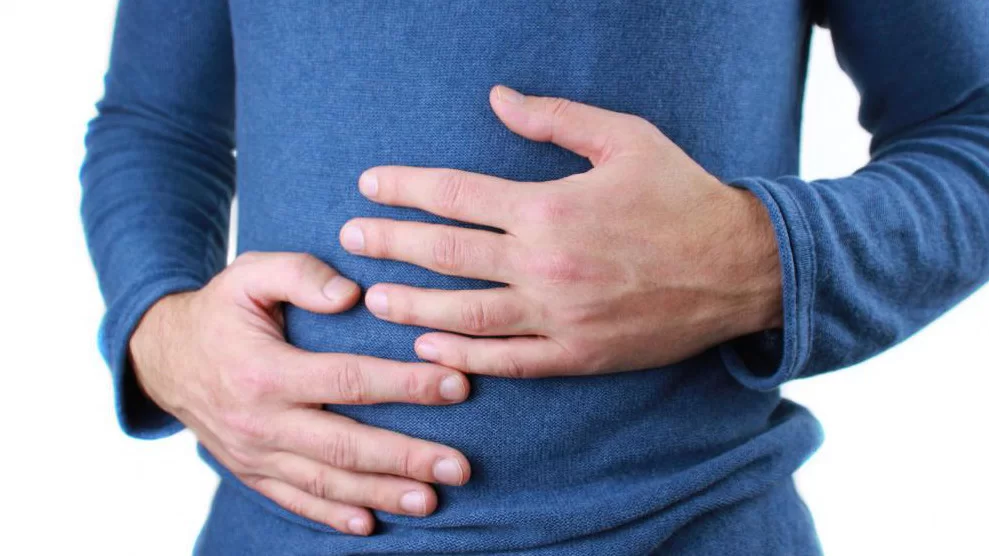
საზარდულის თიაქარი | ფოტო
Share on FacebookShare on Twitter
This article is available in: ქართული & Русский

An inguinal hernia is one of the most common medical conditions. It can occur at any age but is more frequent in men than in women. Hernias may be internal (such as diaphragmatic) or external – including inguinal, femoral, umbilical, or epigastric (white line of the abdomen). An inguinal hernia occurs when organs from the abdominal or pelvic cavity protrude into the inguinal canal through a weakened area or enlarged internal inguinal ring, resulting in a visible bulge.

Patients typically complain of a feeling of heaviness in the abdomen and a bulge in the groin area that may change in size and usually disappears when lying down. These signs are often more noticeable during physical strain or coughing.

Types of Inguinal Hernia

Inguinal hernias are categorized as:

  • Indirect hernia – the hernia sac passes through the inguinal canal alongside the spermatic cord elements.

  • Direct hernia – the hernia sac protrudes medially, from inside the spermatic cord.

These types differ in characteristics:

  • Indirect hernias are more common in younger individuals, are often bilateral, and may descend into the scrotum over time.

  • Direct hernias tend to develop in older adults, may also be bilateral, but do not descend into the scrotum.

Complications and Treatment

Inguinal hernias frequently lead to complications such as:

  • Incarceration (trapping of the herniated organ)

  • Bowel obstruction

  • Entrapment of other abdominal organs

These can lead to acute medical emergencies if not treated promptly.

Causes of Inguinal Hernia

Common contributing factors include:

  • Increased intra-abdominal pressure

  • Weak spots in the abdominal wall

  • Straining during urination or bowel movements

  • Lifting heavy objects

  • Fluid buildup in the abdomen

  • Pregnancy

  • Excess body weight

  • Chronic coughing or sneezing

Kharazishvili Robotic Center offers advanced surgical treatment for inguinal hernias!

Contact us: 0322 23 40 23
Email: [email protected]
ShareTweetSendShareSend
Previous Post

Gallbladder Stones – Cholelithiasis

Next Post

Vaginal Discharge in Women

ახალი, ხელოვნური შარდის ბუშტი – რობოტული ქირურგიით! საქართველოსა და კავკასიაში მხოლოდ ჩვენს კლინიკაში!
News

A New Artificial Bladder – with Robotic Surgery! Only at our clinic in Georgia and the Caucasus!

BBC საუბრობს რუთ- ზე – ინოვაციურ მეთოდზე, რომელიც უკვე 5 წელია ჩვენს კლინიკაში წარმატებით გამოიყენება.
News

BBC speaks about Ruth – an innovative method that has been successfully used in our clinic for the past 5 years.

პროსტატის კიბო რა არის
Deseases

Prostate Cancer – Non-Surgical Treatment

გურამ ქარაზანაშვილი, რობოტულ ქირურგიაზე, ტელექირურგიაზე და მომავალზე, რომელშიც უკვე ვცხოვრობთ
News

Guram Karazanashvili about Robotic Surgery, Telesurgery and the Future We Already Live In

Leave a Reply Cancel reply

Your email address will not be published. Required fields are marked *

No Result
View All Result

NEWS

ახალი, ხელოვნური შარდის ბუშტი – რობოტული ქირურგიით! საქართველოსა და კავკასიაში მხოლოდ ჩვენს კლინიკაში!
News

A New Artificial Bladder – with Robotic Surgery! Only at our clinic in Georgia and the Caucasus!

BBC საუბრობს რუთ- ზე – ინოვაციურ მეთოდზე, რომელიც უკვე 5 წელია ჩვენს კლინიკაში წარმატებით გამოიყენება.
News

BBC speaks about Ruth – an innovative method that has been successfully used in our clinic for the past 5 years.

პროსტატის კიბო რა არის
Deseases

Prostate Cancer – Non-Surgical Treatment

გურამ ქარაზანაშვილი, რობოტულ ქირურგიაზე, ტელექირურგიაზე და მომავალზე, რომელშიც უკვე ვცხოვრობთ
News

Guram Karazanashvili about Robotic Surgery, Telesurgery and the Future We Already Live In

პროსტატის კიბოს მკურნალობა რობოტული ქირურგიით ასეულობით წარმატებული ოპერაცია – ლიდერები კავკასიაში
News

Prostate Cancer Treatment with Robotic Surgery – Hundreds of Successful Operations, Leaders in the Caucasus

უნიკალური და ურთულესი რობოტული ოპერაციები კავკასიაში
News

Unique and Highly Complex Robotic Surgeries in the Caucasus

2026 © ქარაზანაშვილის რობოტული ცენტრი

  • Home
  • About Us
    • Hospital
    • Doctors
    • Medical Equipment
    • Administration
    • Quality Control
  • News
  • Services
    • Urological Hub
    • Gynaecological Hub
    • Oncology
    • Surgery
  • For Patients
    • Manager
    • Symptoms
    • Deseases
    • Medical Examinations
    • Treatment Methods
    • Insurance
    • Healthcare Programs
    • Online Consultation
    • Book an Appointment
  • For Doctors
    • Guidelines
    • Scientific Studies
  • Patient stories
  • Contact information
  • Book an Appointment
No Result
View All Result
  • GE
  • RU

2026 © ქარაზანაშვილის რობოტული ცენტრი