


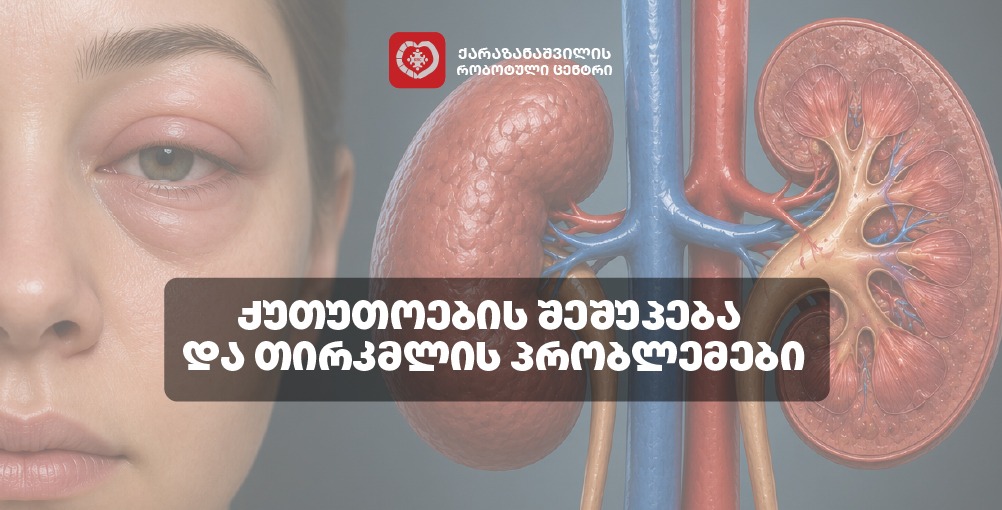
Eyelid swelling is a fairly common symptom and may be one of the early signs of impaired kidney function.
Why Does Kidney Disease Cause Eyelid Swelling?
The kidneys are responsible for regulating the balance of fluids and salts in the body, as well as filtering waste products from the blood. When their function is impaired, fluid begins to accumulate in the body, leading to the development of swelling.
The eyelid area is particularly sensitive to fluid accumulation because the skin in this region is thin, and even a small amount of retained fluid can cause noticeable swelling. For this reason, in some kidney diseases, swelling first appears on the face, especially around the eyes.
Which Kidney Diseases May Be Associated with Eyelid Swelling?
Glomerulonephritis
Glomerulonephritis is an inflammation of the kidney’s filtering units, known as glomeruli. In this condition, large amounts of protein may be lost in the urine, causing blood protein levels to decrease and fluid to accumulate in the tissues.
Nephrotic Syndrome
Nephrotic syndrome is one of the most common causes of pronounced swelling around the eyes. In this condition, the body loses large amounts of protein through the urine, which contributes to the formation of edema.
Chronic Kidney Failure
As kidney function gradually declines, the body becomes unable to effectively eliminate excess fluid and sodium. As a result, swelling develops and may spread to the face, legs, and other parts of the body.
However, in addition to kidney problems, the causes of eyelid swelling can be quite diverse. In many cases, the problem is not related to the kidneys and is caused by relatively mild or temporary factors.
Allergic Reactions
One of the most common causes of eyelid swelling is allergy. In such cases, the swelling is often accompanied by itching, redness, and excessive tearing.
Lack of Sleep and Fatigue
Sleep deprivation and prolonged physical or emotional exhaustion can alter fluid distribution in the body, leading to swelling around the eyes, especially in the morning.
Excessive Salt Intake
Salt promotes fluid retention in the body. After consuming large amounts of salty foods, particularly in the evening, morning eyelid swelling is quite common.
Eye Infections and Inflammatory Conditions
• Conjunctivitis
• Eyelid inflammation (blepharitis)
• Infection of the tissues surrounding the eye
In these cases, swelling is often accompanied by pain, redness, and eye discharge.
Sinusitis
Inflammation of the paranasal sinuses may cause swelling of the facial tissues and the area around the eyes, particularly in the morning.
Especially in hypothyroidism, fluid retention increases, which may manifest as swelling of the face and eyelids.
Heart Diseases
In heart failure, fluid accumulates in the body. Although swelling more commonly affects the lower limbs, in some cases it may also involve the face and eyelids.
Age-Related Changes
As people age, the tissues and muscles around the eyes weaken, allowing fatty tissue to protrude forward and making the eyelids appear puffy. This is not always associated with disease.
Trauma
A blow to the eye or facial area, surgery, or other injury often causes temporary swelling.
Medications
Certain medications may cause fluid retention and swelling, including:
• Hormonal medications
• Some antihypertensive drugs
• Anti-inflammatory medications
• Certain antidepressants
How Is Kidney-Related Swelling Diagnosed?
• Urinalysis
• Urine protein testing
• Blood biochemical tests (creatinine, urea)
• Kidney ultrasound examination
• Blood pressure monitoring
These tests help determine whether the swelling is related to impaired kidney function.
Conclusion
Eyelid swelling does not always indicate kidney disease; however, it should not be ignored, especially if it recurs regularly or appears together with other suspicious symptoms. Identifying the correct cause is important. Timely evaluation and appropriate examinations help rule out serious conditions and allow proper treatment to be initiated.
A timely consultation with a urologist or nephrologist and the necessary examinations are recommended.
Author: Nika Gagoshidze