
გურამ ქარაზანაშვილის რობოტული ცენტრი
  • GURAM KARAZANASHVILI ROBOTIC CENTER
(+995) 322 23 40 23
No Result
View All Result
  • Home
  • About Us
    • Hospital
    • Doctors
    • Medical Equipment
    • Administration
    • Quality Control
  • News
  • Services
    • Urological Hub
    • Gynaecological Hub
    • Oncology
    • Surgery
  • For Patients
    • Manager
    • Symptoms
    • Deseases
    • Medical Examinations
    • Treatment Methods
    • Insurance
    • Healthcare Programs
    • Online Consultation
    • Book an Appointment
  • For Doctors
    • Guidelines
    • Scientific Studies
  • Patient stories
  • Contact information
  • Book an Appointment
  • GE
  • RU
  • Home
  • About Us
    • Hospital
    • Doctors
    • Medical Equipment
    • Administration
    • Quality Control
  • News
  • Services
    • Urological Hub
    • Gynaecological Hub
    • Oncology
    • Surgery
  • For Patients
    • Manager
    • Symptoms
    • Deseases
    • Medical Examinations
    • Treatment Methods
    • Insurance
    • Healthcare Programs
    • Online Consultation
    • Book an Appointment
  • For Doctors
    • Guidelines
    • Scientific Studies
  • Patient stories
  • Contact information
  • Book an Appointment
გურამ ქარაზანაშვილის რობოტული ცენტრი
No Result
View All Result
Home Deseases

Kidney stone diagnosis and symptoms

Kidney stone

14/05/2025
in Deseases, Urological Hub
Выход камней | фото
Share on FacebookShare on Twitter
This article is available in: Русский & ქართული

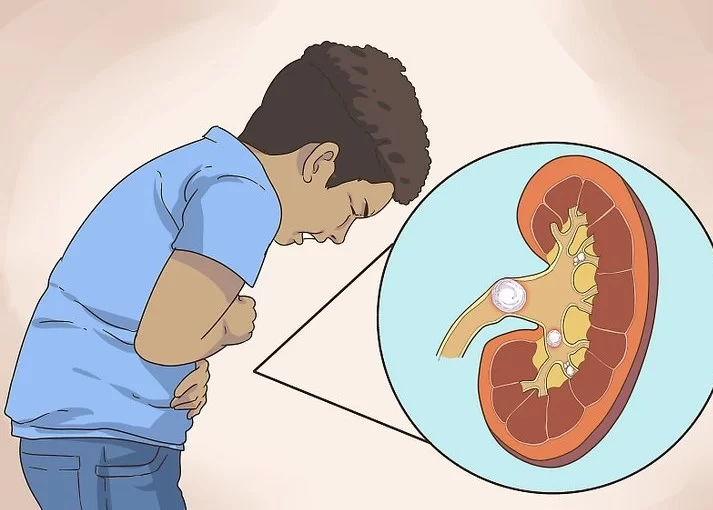
Passing a stone – that is, kidney colic is caused by urinary stone disease, which often occurs secretly and is revealed during a routine examination. There may be one or several stones in the kidney, but they do not cause any pain or discomfort. Urinary stone disease causes symptoms when the stone moves from its place, that is, when ‘passing a stone’ occurs, resulting in pain in the lower back area, which intensifies and becomes unbearable when the stone gets stuck in the ureter, obstructing the flow of urine. Urine accumulates, the kidney swells, and causes excruciating pain, which often radiates toward the groin. This condition is known as ‘passing a stone,’ or kidney colic.


Passing a kidney stone is accompanied by:

  • Frequent urination
  • Pain during urination
  • Blood in the urine
  • Nausea and vomiting
  • Abdominal bloating
  • Increased body temperature


Passing a stone in the kidney is directly related to the lack of sufficient fluid in the body. That is why it is essential to consume a certain amount of water

Kidney stones often form when urine is concentrated, causing minerals to crystallize and stick together.

Furthermore, there is a high risk of kidney stone formation from consuming foods that are high in animal fats.

Risk factors for kidney-stone formation:

  1. Genetics
  2. Dehydration (when the body loses water)
  3. Obesity
  4. General digestive system disorders
  5. Protein Diet
  6. Urinary tract infection 
  7. Urinary tract diseases which cause obstruction of Urine flow


“Karazanashvili, Robotic Center” offers all  modern methods for stone removal! Guram Karazanashvili Robotic center! Storz Stone Removal Center!

ShareTweetSendShareSend
Previous Post

Prostate Diagnosis and Treatment

Next Post

In the case of advanced prostate cancer, surgery combined with radiation therapy yields better results.

შარდ-კენჭოვან დაავადებაზე საუბრობს ქარაზანაშვილის რობოტული ცენტრის ექიმი უროლოგი ნიკა გაგოშიძე
News

Urinary stone disease is discussed by Nika Gagoshidze, urologist at the Guram Karazanashvili Robotic Center.

რა კავშირშია ქუთუთოების შეშუპება თირკმლის პრობლემებთან
Deseases

What Is the Connection Between Eyelid Swelling and Kidney Problems?

რობოტული ქირურგია – პროფესორ გურამ ქარაზანაშვილის ინოვაციური მეთოდები
News

Robotic Surgery – Innovative Methods of Professor Guram Karazanashvili

პროფესორი მარკუს გრაფენი საქართველოსა და ქარაზანაშვილის რობოტულ ცენტრს პირველი ოფიციალური ვიზიტით ეწვია.
News

Professor Markus Graefen had his first official visit to Georgia and the Karazanashvili Robotic Center.

No Result
View All Result

NEWS

შარდ-კენჭოვან დაავადებაზე საუბრობს ქარაზანაშვილის რობოტული ცენტრის ექიმი უროლოგი ნიკა გაგოშიძე
News

Urinary stone disease is discussed by Nika Gagoshidze, urologist at the Guram Karazanashvili Robotic Center.

რა კავშირშია ქუთუთოების შეშუპება თირკმლის პრობლემებთან
Deseases

What Is the Connection Between Eyelid Swelling and Kidney Problems?

რობოტული ქირურგია – პროფესორ გურამ ქარაზანაშვილის ინოვაციური მეთოდები
News

Robotic Surgery – Innovative Methods of Professor Guram Karazanashvili

პროფესორი მარკუს გრაფენი საქართველოსა და ქარაზანაშვილის რობოტულ ცენტრს პირველი ოფიციალური ვიზიტით ეწვია.
News

Professor Markus Graefen had his first official visit to Georgia and the Karazanashvili Robotic Center.

პერსპექტიული შედარებითი კვლევა აგოსტინო ჯემელის საუნივერსიტეტო კლინიკაში: Toumai vs. da Vinci Xi
News

Prospective Head-to-Head Study at Agostino Gemelli University Hospital Compares Toumai with da Vinci Xi

სამედიცინო ჰაბის ფორმირება ციფრული სკალპელით
News

Building a Medical Hub with a Digital Scalpel

2026 © ქარაზანაშვილის რობოტული ცენტრი

  • Home
  • About Us
    • Hospital
    • Doctors
    • Medical Equipment
    • Administration
    • Quality Control
  • News
  • Services
    • Urological Hub
    • Gynaecological Hub
    • Oncology
    • Surgery
  • For Patients
    • Manager
    • Symptoms
    • Deseases
    • Medical Examinations
    • Treatment Methods
    • Insurance
    • Healthcare Programs
    • Online Consultation
    • Book an Appointment
  • For Doctors
    • Guidelines
    • Scientific Studies
  • Patient stories
  • Contact information
  • Book an Appointment
No Result
View All Result
  • GE
  • RU

2026 © ქარაზანაშვილის რობოტული ცენტრი