
გურამ ქარაზანაშვილის რობოტული ცენტრი
  • GURAM KARAZANASHVILI ROBOTIC CENTER
(+995) 322 23 40 23
No Result
View All Result
  • Home
  • About Us
    • Hospital
    • Doctors
    • Medical Equipment
    • Administration
    • Quality Control
  • Our Branches
    • Dighomi Branch
    • Vake-Saburtalo Branch
    • Kutaisi Branch
    • Zugdidi Branch
    • Batumi Branch
  • News
  • Services
    • Urological Hub
    • Gynaecological Hub
    • Oncology
    • Surgery
  • For Patients
    • Manager
    • Symptoms
    • Deseases
    • Medical Examinations
    • Treatment Methods
    • Insurance
    • Healthcare Programs
    • Online Consultation
    • Book an Appointment
  • For Doctors
    • Guidelines
    • Scientific Studies
  • Patient stories
  • Contact information
  • Book an Appointment
  • GE
  • RU
  • Home
  • About Us
    • Hospital
    • Doctors
    • Medical Equipment
    • Administration
    • Quality Control
  • Our Branches
    • Dighomi Branch
    • Vake-Saburtalo Branch
    • Kutaisi Branch
    • Zugdidi Branch
    • Batumi Branch
  • News
  • Services
    • Urological Hub
    • Gynaecological Hub
    • Oncology
    • Surgery
  • For Patients
    • Manager
    • Symptoms
    • Deseases
    • Medical Examinations
    • Treatment Methods
    • Insurance
    • Healthcare Programs
    • Online Consultation
    • Book an Appointment
  • For Doctors
    • Guidelines
    • Scientific Studies
  • Patient stories
  • Contact information
  • Book an Appointment
გურამ ქარაზანაშვილის რობოტული ცენტრი
No Result
View All Result
Home News

Urethral Stricture – Why Does Narrowing of the Urinary Tract Develop?

Urethral Stricture – Why Does Narrowing of the Urinary Tract Develop?

04/08/2026
in News, Urological Hub
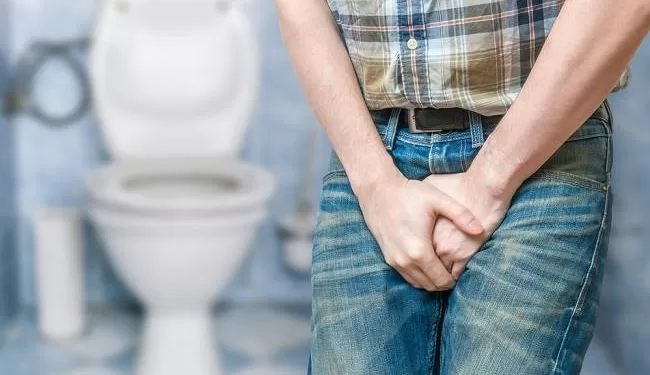
Стриктура уретры | фото
Share on FacebookShare on Twitter
This article is available in:Русскийქართული

Urethral stricture, or narrowing of the urethra, is a condition that affects both men and women. However, it is more commonly observed in men because their urethra is anatomically longer and narrower. Women have a shorter and wider urethra. In women, the causes of urethral narrowing can include difficult childbirth and various types of trauma. Any inflammation of the urethra can lead to its hardening, swelling, and thickening of the surrounding tissues.

If the inflammatory process is treated in time and properly, narrowing may be avoided. However, advanced or neglected cases often result in urethral stricture.

Pelvic bone injuries are also extremely dangerous. In such fractures, the urethra may sometimes rupture, and during the healing process, scar tissue often forms, leading to narrowing. Falling on the perineal area also frequently results in scar formation.

Signs of Urethral Stricture:

  • A thin and weak stream of urine
  • Difficulty and interruption during urination
  • Straining, sometimes accompanied by pain
  • Retention of residual urine in the bladder
  • Impaired kidney function
  • Sexual dysfunction and depression

Urethral stricture is typically treated surgically.

Modern Treatment of Urethral Stricture:

Modern treatment for urethral stricture includes three types of interventions:

  1. For strictures up to 2 cm in length, the narrowed segment is excised, and the healthy ends of the urethra are stitched together (anastomosis).
  2. In cases of longer strictures, where the narrowing extends over a greater distance, plastic surgery (urethroplasty) is performed. The narrowed section of the urethra is removed, and reconstruction is done using tissue grafts taken from the inner cheek (buccal mucosa) or foreskin. This type of operation requires highly skilled surgical techniques and cannot be performed by just any surgeon—it demands virtuoso-level expertise.
  3. Endoscopic surgery – A special instrument is inserted into the urethral lumen to cut through the narrowed area. A catheter is then placed at the site until the tissue has fully healed. This procedure is much less invasive and generally easier for patients to tolerate. It is used whenever the degree of urethral narrowing allows for this method.

Contact us

Karazanashvili Robotic Center is the only clinic in the Caucasus where robotic surgeries are performed.

  • Phone: (+995) 322 23 40 23
  • WhatsApp: (+995) 595 23 30 23
  • E-mail: [email protected]
  • Follow us on Facebook
  • Follow us on Instagram
  • Follow us on LinkedIn
Book a visit

Book an appointment with a doctor in advance. Our operator will contact you regarding the details and conditions of your visit.

Our branches

Karazanashvili Robotic Center operates five branches — in Tbilisi as well as in Batumi, Kutaisi and Zugdidi.

  • Tbilisi, 1 Chachava Street, 9th floor
  • Tbilisi, Vake-Saburtalo branch: 2 Danelia Street
  • Batumi, 21 Lech and Maria Kaczyński Street
  • Kutaisi, 124 Rustaveli Avenue
  • Zugdidi, 9 Gamarjveba Street
Robotic surgery

Karazanashvili Robotic Center is the first robotic surgery center in Georgia and the Caucasus, where the most complex robotic surgical procedures are performed on the organs of the genitourinary system and abdominal cavity.

ShareTweetSendShareSend
Previous Post

Micro-ultrasound targeted fusion biopsy of the prostate

Next Post

Karazanashvili Robotic Center attracts the attention of the American Urological Association

ტექნოლოგიური ჯაჭვი ერთ სივრცეში – როგორ შეცვალა ქარაზანაშვილის რობოტულმა ცენტრმა ქართული მედიცინის რეალობა
News

The Technological Chain in One Place — How the Karazanashvili Robotic Center Changed the Reality of Georgian Medicine

რობოტულ ქირურგიაში – ყველაზე დიდი გამოცდილება საქართველოსა და კავკასიაში.
News

The greatest experience in robotic surgery in Georgia and the Caucasus.

პროსტატის კიბო – დიაგნოსტიკა და მკურნალობის თანამედროვე მეთოდები
News

Prostate Cancer – Modern Methods of Diagnosis and Treatment

ახალი, ხელოვნური შარდის ბუშტი – რობოტული ქირურგიით! საქართველოსა და კავკასიაში მხოლოდ ჩვენს კლინიკაში!
News

The pinnacle of robotic surgery development in the Caucasus — exclusively at Karazanashvili Robotic Center.

No Result
View All Result

NEWS

ტექნოლოგიური ჯაჭვი ერთ სივრცეში – როგორ შეცვალა ქარაზანაშვილის რობოტულმა ცენტრმა ქართული მედიცინის რეალობა
News

The Technological Chain in One Place — How the Karazanashvili Robotic Center Changed the Reality of Georgian Medicine

ლიმფური კვანძები
კატეგორიის გარეშე

The Importance of Lymph Nodes in Oncourological Patients and the Role of Karazanashvili Robotic Center

რობოტულ ქირურგიაში – ყველაზე დიდი გამოცდილება საქართველოსა და კავკასიაში.
News

The greatest experience in robotic surgery in Georgia and the Caucasus.

პროსტატის კიბო – დიაგნოსტიკა და მკურნალობის თანამედროვე მეთოდები
News

Prostate Cancer – Modern Methods of Diagnosis and Treatment

ახალი, ხელოვნური შარდის ბუშტი – რობოტული ქირურგიით! საქართველოსა და კავკასიაში მხოლოდ ჩვენს კლინიკაში!
News

The pinnacle of robotic surgery development in the Caucasus — exclusively at Karazanashvili Robotic Center.

პროსტატის კიბო | პროფესორი გურამ ქარაზანაშვილი BMG Drive-ში
News

Prostate Cancer | Professor Guram Karazanashvili on BMG Drive

2026 © ქარაზანაშვილის რობოტული ცენტრი

  • Home
  • About Us
    • Hospital
    • Doctors
    • Medical Equipment
    • Administration
    • Quality Control
  • Our Branches
    • Dighomi Branch
    • Vake-Saburtalo Branch
    • Kutaisi Branch
    • Zugdidi Branch
    • Batumi Branch
  • News
  • Services
    • Urological Hub
    • Gynaecological Hub
    • Oncology
    • Surgery
  • For Patients
    • Manager
    • Symptoms
    • Deseases
    • Medical Examinations
    • Treatment Methods
    • Insurance
    • Healthcare Programs
    • Online Consultation
    • Book an Appointment
  • For Doctors
    • Guidelines
    • Scientific Studies
  • Patient stories
  • Contact information
  • Book an Appointment
No Result
View All Result
  • GE
  • RU

2026 © ქარაზანაშვილის რობოტული ცენტრი