
გურამ ქარაზანაშვილის რობოტული ცენტრი
  • GURAM KARAZANASHVILI ROBOTIC CENTER
(+995) 322 23 40 23
No Result
View All Result
  • Home
  • About Us
    • Hospital
    • Doctors
    • Medical Equipment
    • Administration
    • Quality Control
  • News
  • Services
    • Urological Hub
    • Gynaecological Hub
    • Oncology
    • Surgery
  • For Patients
    • Manager
    • Symptoms
    • Deseases
    • Medical Examinations
    • Treatment Methods
    • Insurance
    • Healthcare Programs
    • Online Consultation
    • Book an Appointment
  • For Doctors
    • Guidelines
    • Scientific Studies
  • Patient stories
  • Contact information
  • Book an Appointment
  • GE
  • RU
  • Home
  • About Us
    • Hospital
    • Doctors
    • Medical Equipment
    • Administration
    • Quality Control
  • News
  • Services
    • Urological Hub
    • Gynaecological Hub
    • Oncology
    • Surgery
  • For Patients
    • Manager
    • Symptoms
    • Deseases
    • Medical Examinations
    • Treatment Methods
    • Insurance
    • Healthcare Programs
    • Online Consultation
    • Book an Appointment
  • For Doctors
    • Guidelines
    • Scientific Studies
  • Patient stories
  • Contact information
  • Book an Appointment
გურამ ქარაზანაშვილის რობოტული ცენტრი
No Result
View All Result
Home Deseases

Testicular cancer ─ Symptoms and Treatment

21/01/2026
in Deseases
სათესლე ჯირკვლის კიბო
Share on FacebookShare on Twitter
This article is available in: ქართული & Русский

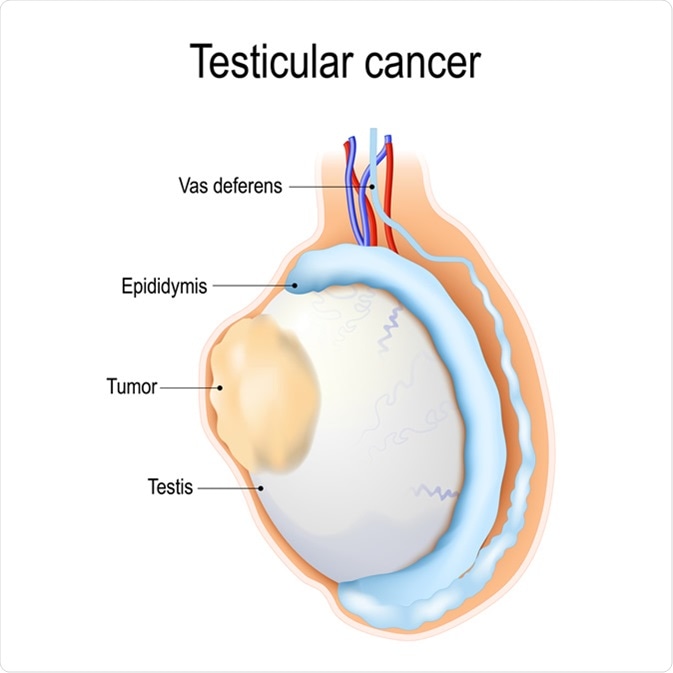
Testicular cancer is one of the most common diseases in men. Unfortunately, 99% of testicular cancers are malignant, and most cases require aggressive treatments such as radiation or chemotherapy, as well as surgery.

Symptoms that characterize cancer of testicles:

  • Pain in the testicles
  • Swelling of the testicles
  • A cyst called a spermatocele develops in the epididymis.
  • Enlargement of the testicles called a varicocele.
  • Accumulation of fluid in the membrane around the testicle.

Treatment methods:

There are three main methods of treatment for testicular cancer – chemotherapy, radiation therapy, and surgery.

The plan and method of treatment for testicular cancer depend on:

  • The type of testicular cancer – seminoma or non-seminoma
  • The stage of testicular cancer

Surgical removal of the affected testicle (orchidectomy) is always considered the first treatment for testicular cancer, regardless of its stage. After an orchidectomy, a single dose of chemotherapy may be given to prevent cancer from recurring.

A short course of radiation therapy is sometimes also recommended for cancer of testicles.

In some cases, a man discovers testicular cancer himself, either by accident or during a testicular self-exam. Self-examination consists of the following steps:

  • Carefully test each testicle with your hand, study its density – it should be slightly cool and elastic.
  • The testicles should be smooth and cool growths should be felt at the back and top.

If you notice any symptoms in the testicles that did not bother you before, you need to contact a urologist and examine your testicles.

The cause of testicular cancer is unknown, but men whose testicles have not descended into the scrotum by age 3 (cryptorchidism) have a higher risk of developing testicular cancer than men whose testicles have developed into the scrotum by age 3. The best period for surgical correction of cryptorchidism is childhood. Correction of cryptorchidism reduces the risk of developing cancer. However, men who have had cryptorchidism repaired have a higher risk of developing cancer than men who have had no cryptorchidism at all. Doctors sometimes advise adults to remove undescended testicles to reduce the risk of developing cancer.


At Karazanashvili Robotic Center,  we treat testicular cancer with the most modern methods.
ShareTweetSendShareSend
Previous Post

FOCAL ONE – RUTH was simultaneously introduced at Karazanashvili’s Robotic Center and leading U.S. clinics!

Next Post

Focal One – Prostate cancer cure without surgery

პროსტატის კიბო რა არის
Deseases

Prostate Cancer – Non-Surgical Treatment

რა კავშირშია ქუთუთოების შეშუპება თირკმლის პრობლემებთან
Deseases

What Is the Connection Between Eyelid Swelling and Kidney Problems?

მამუკა მგელიაშვილი. საშვილოსნოს ან საშოს დაწევა
Deseases

Vaginal or uterine prolapse, urinary incontinence

Цистит – воспаление мочевого пузыря
Deseases

Cystitis – Inflammation of the Bladder

No Result
View All Result

NEWS

ახალი, ხელოვნური შარდის ბუშტი – რობოტული ქირურგიით! საქართველოსა და კავკასიაში მხოლოდ ჩვენს კლინიკაში!
News

A New Artificial Bladder – with Robotic Surgery! Only at our clinic in Georgia and the Caucasus!

BBC საუბრობს რუთ- ზე – ინოვაციურ მეთოდზე, რომელიც უკვე 5 წელია ჩვენს კლინიკაში წარმატებით გამოიყენება.
News

BBC speaks about Ruth – an innovative method that has been successfully used in our clinic for the past 5 years.

პროსტატის კიბო რა არის
Deseases

Prostate Cancer – Non-Surgical Treatment

გურამ ქარაზანაშვილი, რობოტულ ქირურგიაზე, ტელექირურგიაზე და მომავალზე, რომელშიც უკვე ვცხოვრობთ
News

Guram Karazanashvili about Robotic Surgery, Telesurgery and the Future We Already Live In

პროსტატის კიბოს მკურნალობა რობოტული ქირურგიით ასეულობით წარმატებული ოპერაცია – ლიდერები კავკასიაში
News

Prostate Cancer Treatment with Robotic Surgery – Hundreds of Successful Operations, Leaders in the Caucasus

უნიკალური და ურთულესი რობოტული ოპერაციები კავკასიაში
News

Unique and Highly Complex Robotic Surgeries in the Caucasus

2026 © ქარაზანაშვილის რობოტული ცენტრი

  • Home
  • About Us
    • Hospital
    • Doctors
    • Medical Equipment
    • Administration
    • Quality Control
  • News
  • Services
    • Urological Hub
    • Gynaecological Hub
    • Oncology
    • Surgery
  • For Patients
    • Manager
    • Symptoms
    • Deseases
    • Medical Examinations
    • Treatment Methods
    • Insurance
    • Healthcare Programs
    • Online Consultation
    • Book an Appointment
  • For Doctors
    • Guidelines
    • Scientific Studies
  • Patient stories
  • Contact information
  • Book an Appointment
No Result
View All Result
  • GE
  • RU

2026 © ქარაზანაშვილის რობოტული ცენტრი