

გურამ ქარაზანაშვილის რობოტული ცენტრი
  • GURAM KARAZANASHVILI ROBOTIC CENTER
(+995) 322 23 40 23
No Result
View All Result
  • Home
  • About Us
    • Hospital
    • Doctors
    • Medical Equipment
    • Administration
    • Quality Control
  • News
  • Services
    • Urological Hub
    • Gynaecological Hub
    • Oncology
    • Surgery
  • For Patients
    • Manager
    • Symptoms
    • Deseases
    • Medical Examinations
    • Treatment Methods
    • Insurance
    • Healthcare Programs
    • Online Consultation
    • Book an Appointment
  • For Doctors
    • Guidelines
    • Scientific Studies
  • Patient stories
  • Contact information
  • Book an Appointment
  • GE
  • RU
  • Home
  • About Us
    • Hospital
    • Doctors
    • Medical Equipment
    • Administration
    • Quality Control
  • News
  • Services
    • Urological Hub
    • Gynaecological Hub
    • Oncology
    • Surgery
  • For Patients
    • Manager
    • Symptoms
    • Deseases
    • Medical Examinations
    • Treatment Methods
    • Insurance
    • Healthcare Programs
    • Online Consultation
    • Book an Appointment
  • For Doctors
    • Guidelines
    • Scientific Studies
  • Patient stories
  • Contact information
  • Book an Appointment
გურამ ქარაზანაშვილის რობოტული ცენტრი
No Result
View All Result
Home Deseases

Nephroptosis ─ Causes and treatment

11/02/2025
in Deseases
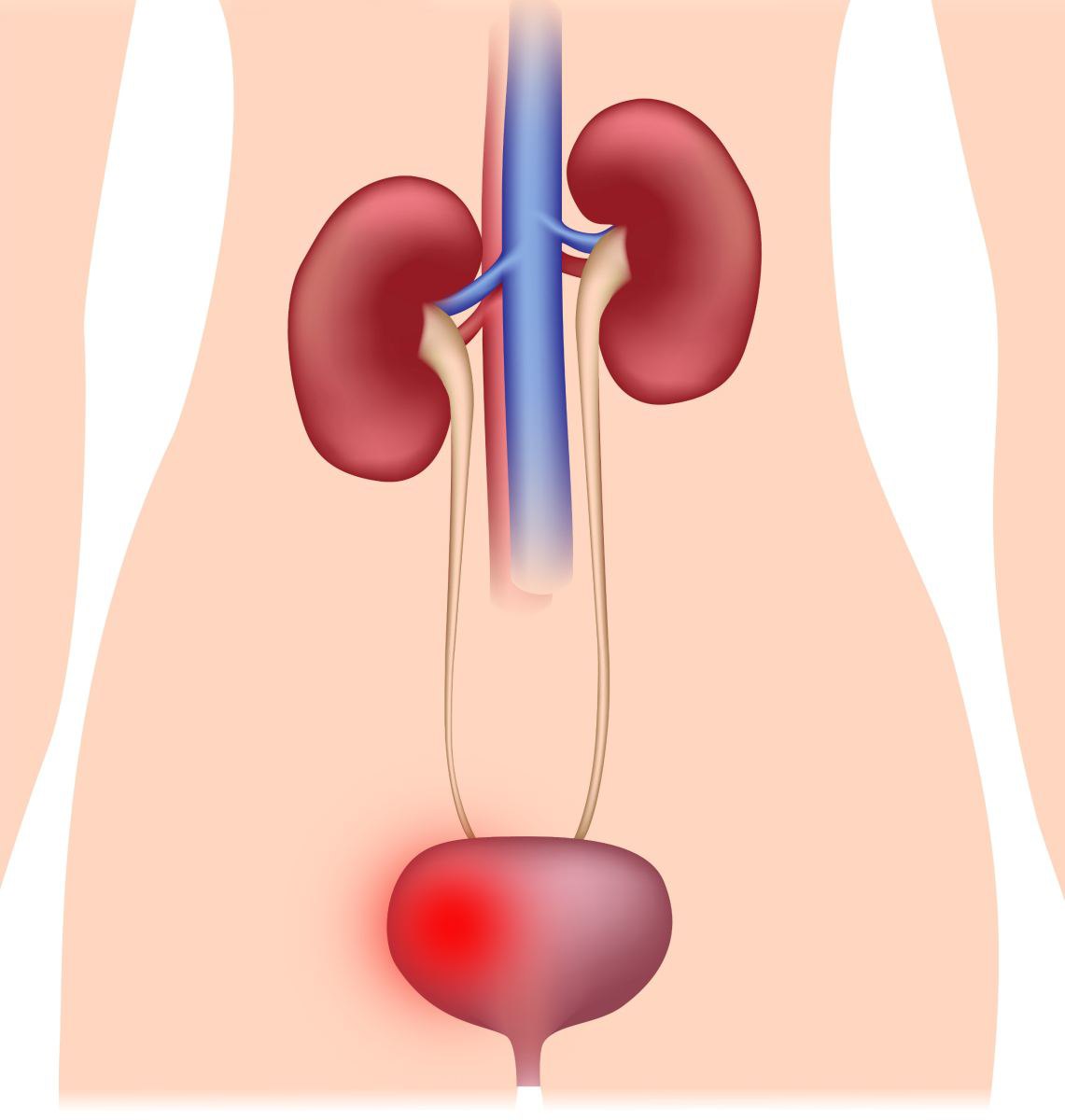
თირკმლის დაწევა, ნეფროპტოზი | ფოტო
Share on FacebookShare on Twitter
This article is available in: ქართული & Русский

Nephroptosis – is a Greek word that means omission. This term refers to the omission of an organ.

Kidney prolapse (nephroptosis) also known as the floating kidney is a pathological condition that is characterized by increased mobility of the kidney and a violation of the normal anatomical location of the genitourinary organs. Nephroptosis or mobile kidney, for its part, increases the risk of developing diseases such as pyelonephritis, renal arterial hypertension and others.

Normally, the range of motion of the kidney (physiological movement) is no more than 1-2 cm. With nephroptosis, the supporting (fixation) structure weakens, the organ descends and, accordingly, the likelihood of developing various complications increases.

The incidence of nephroptosis among men and women is 0.1% and 1.5%, respectively.

Such a large difference between the indicators is explained by the characteristics of the female body, mainly due to the characteristics of the reproductive function (comparatively large pelvis, low tone of the abdominal wall, greater elasticity of the veins, a small tendency to visceral (internal) obesity.

The main reasons for the development of nephroptosis:

  • Sharp weight loss and a significant decrease in the fat capsule;
  • Injury to the lower back or abdomen, with significant damage to the fixation apparatus of the kidney;
  • Pregnancy and childbirth (in some cases).

Nephroptosis disrupts urine excretion, increasing kidney pressure and altering blood circulation. Due to the large compensatory capacity of the renal organ, nephroptosis is sometimes not detected for a long period. During this period, irreversible changes may occur in the kidney parenchyma, leading to hydronephrosis.

One of the dangerous types of complications of nephroptosis is pyelonephritis, which is the result of a violation of urine output from the organ due to a change in location.

This condition may cause headaches, weakness, fatigue, abdominal pain, fever, and other symptoms. Renal colic may occur in acute pyelonephritis, requiring urgent medical attention; in such cases, patients need urgent medical attention.

With nephroptosis, due to the interlacing of the renal arteries, arterial hypertension often appears, which is difficult to treat with medication.

Treatment of nephroptosis

Treatment of nephroptosis can be both conservative and surgical. Initially, doctors offer patients compliance with certain rules, such as wearing a special bandage and doing regular exercises to strengthen the organ’s fixation apparatus. If conservative treatment fails, doctors may recommend surgical treatment known as nephropexy, which involves fixing the kidney with a surgical method.
ShareTweetSendShareSend
Previous Post

For the First Time in the History of Georgian Medicine – A Georgian Scientist to Present His Innovation at the American Urological Association Congress

Next Post

Uterine prolapse ─ Symptoms, causes and treatment

პროსტატის კიბო რა არის
Deseases

Prostate Cancer – Non-Surgical Treatment

რა კავშირშია ქუთუთოების შეშუპება თირკმლის პრობლემებთან
Deseases

What Is the Connection Between Eyelid Swelling and Kidney Problems?

მამუკა მგელიაშვილი. საშვილოსნოს ან საშოს დაწევა
Deseases

Vaginal or uterine prolapse, urinary incontinence

Цистит – воспаление мочевого пузыря
Deseases

Cystitis – Inflammation of the Bladder

Leave a Reply Cancel reply

Your email address will not be published. Required fields are marked *

No Result
View All Result

NEWS

ახალი, ხელოვნური შარდის ბუშტი – რობოტული ქირურგიით! საქართველოსა და კავკასიაში მხოლოდ ჩვენს კლინიკაში!
News

A New Artificial Bladder – with Robotic Surgery! Only at our clinic in Georgia and the Caucasus!

BBC საუბრობს რუთ- ზე – ინოვაციურ მეთოდზე, რომელიც უკვე 5 წელია ჩვენს კლინიკაში წარმატებით გამოიყენება.
News

BBC speaks about Ruth – an innovative method that has been successfully used in our clinic for the past 5 years.

პროსტატის კიბო რა არის
Deseases

Prostate Cancer – Non-Surgical Treatment

გურამ ქარაზანაშვილი, რობოტულ ქირურგიაზე, ტელექირურგიაზე და მომავალზე, რომელშიც უკვე ვცხოვრობთ
News

Guram Karazanashvili about Robotic Surgery, Telesurgery and the Future We Already Live In

პროსტატის კიბოს მკურნალობა რობოტული ქირურგიით ასეულობით წარმატებული ოპერაცია – ლიდერები კავკასიაში
News

Prostate Cancer Treatment with Robotic Surgery – Hundreds of Successful Operations, Leaders in the Caucasus

უნიკალური და ურთულესი რობოტული ოპერაციები კავკასიაში
News

Unique and Highly Complex Robotic Surgeries in the Caucasus

2026 © ქარაზანაშვილის რობოტული ცენტრი

  • Home
  • About Us
    • Hospital
    • Doctors
    • Medical Equipment
    • Administration
    • Quality Control
  • News
  • Services
    • Urological Hub
    • Gynaecological Hub
    • Oncology
    • Surgery
  • For Patients
    • Manager
    • Symptoms
    • Deseases
    • Medical Examinations
    • Treatment Methods
    • Insurance
    • Healthcare Programs
    • Online Consultation
    • Book an Appointment
  • For Doctors
    • Guidelines
    • Scientific Studies
  • Patient stories
  • Contact information
  • Book an Appointment
No Result
View All Result
  • GE
  • RU

2026 © ქარაზანაშვილის რობოტული ცენტრი