გურამ ქარაზანაშვილის რობოტული ცენტრი
  • GURAM KARAZANASHVILI ROBOTIC CENTER
(+995) 322 23 40 23
No Result
View All Result
  • Home
  • About Us
    • Hospital
    • Doctors
    • Medical Equipment
    • Administration
    • Quality Control
  • News
  • Services
    • Urological Hub
    • Gynaecological Hub
    • Oncology
    • Surgery
  • For Patients
    • Manager
    • Symptoms
    • Deseases
    • Medical Examinations
    • Treatment Methods
    • Insurance
    • Healthcare Programs
    • Online Consultation
    • Book an Appointment
  • For Doctors
    • Guidelines
    • Scientific Studies
  • Patient stories
  • Contact information
  • Book an Appointment
  • GE
  • RU
  • Home
  • About Us
    • Hospital
    • Doctors
    • Medical Equipment
    • Administration
    • Quality Control
  • News
  • Services
    • Urological Hub
    • Gynaecological Hub
    • Oncology
    • Surgery
  • For Patients
    • Manager
    • Symptoms
    • Deseases
    • Medical Examinations
    • Treatment Methods
    • Insurance
    • Healthcare Programs
    • Online Consultation
    • Book an Appointment
  • For Doctors
    • Guidelines
    • Scientific Studies
  • Patient stories
  • Contact information
  • Book an Appointment
გურამ ქარაზანაშვილის რობოტული ცენტრი
No Result
View All Result
Home News

Chemotherapy

29/01/2026
in News, Oncology
ქიმიოთერაპია
Share on FacebookShare on Twitter
This article is available in: Русский & ქართული

What is Chemotherapy?

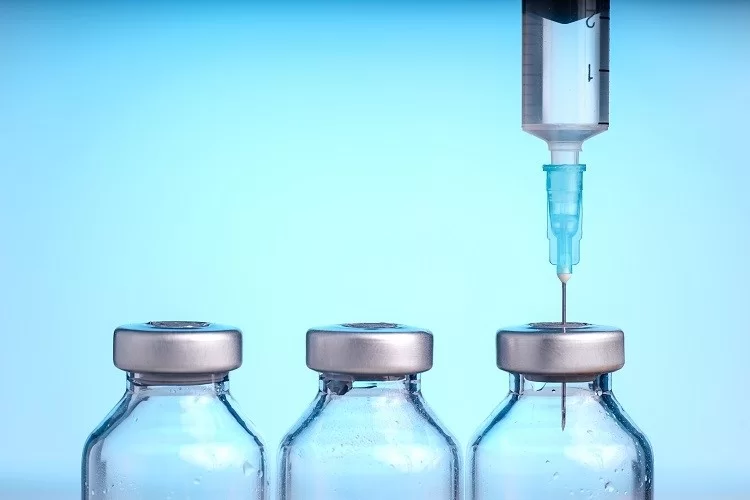
Chemotherapy is a medication-based treatment for malignant tumors, which is used both as an independent treatment method and/or in combination with surgery and radiation therapy. Chemotherapy is prescribed by oncologists.

Chemotherapy has been used as an independent treatment method since 1950 and continues to improve over time.

The goal of chemotherapy is to slow down or completely stop the growth of malignant cells. There are several ways to administer chemotherapy. These include intravenous (via drip or infusion), oral (tablet form), or intraluminal (into the bladder, pleural cavity).

The duration of chemotherapy can range from several hours to several days, with intervals of 3-4 weeks, but there are also chemotherapy drugs that require different intervals. Your treating physician will select the optimal scheme for you. A correctly chosen chemotherapy scheme leads to a solid remission and a long, relapse-free period.

There are several types of chemotherapy:

  • Curative Chemotherapy – Refers to chemotherapy carried out according to a protocol aimed at combating the active tumor process.
  • Adjuvant Chemotherapy – In some cases, cancer is diagnosed at an early stage, where the main treatment method is surgery. During the surgery, the tumor is completely excised along with healthy tissue. However, there is a possibility that cancer cells may remain, which were not visible under the microscope or on CT, PET, or MRI scans. The circulation of tumor cells in the bloodstream can lead to recurrence. In such cases, oncologists prescribe adjuvant chemotherapy, which is more preventive and aims to destroy circulating micrometastases in the bloodstream.
  • Neoadjuvant Chemotherapy – In some cases, cancer is diagnosed when it is no longer possible to completely remove the tumor due to its spread. In such cases, oncologists prescribe neoadjuvant chemotherapy to reduce the size of the tumor before performing surgery.
  • Inductive Chemotherapy – Performed for a short-term remission before the start of the main treatment.

What are the side effects of chemotherapy?

The more aggressive the cancer, the higher the effect of chemotherapy, but chemotherapy drugs cannot selectively damage only tumor cells. Damage to healthy tissues and organs results in symptoms known as chemotherapy side effects.

Main side effects include:

  • Hair Loss – It’s important to note that after chemotherapy is completed, hair growth will resume.
  • Weakened Immunity – Chemotherapy reduces the body’s ability to fight infections. After chemotherapy is completed, the immune system recovers, though this takes some time.
  • Nausea and Vomiting – This is a common side effect of chemotherapy. Your oncologist will prescribe all the necessary medications to avoid these complications. You should follow a specific post-chemotherapy diet that excludes fried, fatty, and irritating foods from your diet. It’s recommended to eat in small portions and frequently.

Chemotherapy side effects can vary in nature but most of them subside once chemotherapy is finished.

At Karazanashvili Robotic Center, with modern and effective treatment methods, the qualification of our staff, and the unity of our clinic’s work, we aim to minimize the unpleasant side effects of treatment as much as possible.

The article was published in 2020.
 

ShareTweetSendShareSend
Previous Post

Stone fragmentation with the latest model lithotripter at the “Kharazanishvili Robotic Center.”

Next Post

Worry Less: 3 Rules to Keep in Mind

ახალი, ხელოვნური შარდის ბუშტი – რობოტული ქირურგიით! საქართველოსა და კავკასიაში მხოლოდ ჩვენს კლინიკაში!
News

A New Artificial Bladder – with Robotic Surgery! Only at our clinic in Georgia and the Caucasus!

BBC საუბრობს რუთ- ზე – ინოვაციურ მეთოდზე, რომელიც უკვე 5 წელია ჩვენს კლინიკაში წარმატებით გამოიყენება.
News

BBC speaks about Ruth – an innovative method that has been successfully used in our clinic for the past 5 years.

პროსტატის კიბო რა არის
Deseases

Prostate Cancer – Non-Surgical Treatment

გურამ ქარაზანაშვილი, რობოტულ ქირურგიაზე, ტელექირურგიაზე და მომავალზე, რომელშიც უკვე ვცხოვრობთ
News

Guram Karazanashvili about Robotic Surgery, Telesurgery and the Future We Already Live In

No Result
View All Result

NEWS

ახალი, ხელოვნური შარდის ბუშტი – რობოტული ქირურგიით! საქართველოსა და კავკასიაში მხოლოდ ჩვენს კლინიკაში!
News

A New Artificial Bladder – with Robotic Surgery! Only at our clinic in Georgia and the Caucasus!

BBC საუბრობს რუთ- ზე – ინოვაციურ მეთოდზე, რომელიც უკვე 5 წელია ჩვენს კლინიკაში წარმატებით გამოიყენება.
News

BBC speaks about Ruth – an innovative method that has been successfully used in our clinic for the past 5 years.

პროსტატის კიბო რა არის
Deseases

Prostate Cancer – Non-Surgical Treatment

გურამ ქარაზანაშვილი, რობოტულ ქირურგიაზე, ტელექირურგიაზე და მომავალზე, რომელშიც უკვე ვცხოვრობთ
News

Guram Karazanashvili about Robotic Surgery, Telesurgery and the Future We Already Live In

პროსტატის კიბოს მკურნალობა რობოტული ქირურგიით ასეულობით წარმატებული ოპერაცია – ლიდერები კავკასიაში
News

Prostate Cancer Treatment with Robotic Surgery – Hundreds of Successful Operations, Leaders in the Caucasus

უნიკალური და ურთულესი რობოტული ოპერაციები კავკასიაში
News

Unique and Highly Complex Robotic Surgeries in the Caucasus

2026 © ქარაზანაშვილის რობოტული ცენტრი

  • Home
  • About Us
    • Hospital
    • Doctors
    • Medical Equipment
    • Administration
    • Quality Control
  • News
  • Services
    • Urological Hub
    • Gynaecological Hub
    • Oncology
    • Surgery
  • For Patients
    • Manager
    • Symptoms
    • Deseases
    • Medical Examinations
    • Treatment Methods
    • Insurance
    • Healthcare Programs
    • Online Consultation
    • Book an Appointment
  • For Doctors
    • Guidelines
    • Scientific Studies
  • Patient stories
  • Contact information
  • Book an Appointment
No Result
View All Result
  • GE
  • RU

2026 © ქარაზანაშვილის რობოტული ცენტრი