


გურამ ქარაზანაშვილის რობოტული ცენტრი
  • GURAM KARAZANASHVILI ROBOTIC CENTER
(+995) 322 23 40 23
No Result
View All Result
  • Home
  • About Us
    • Hospital
    • Doctors
    • Medical Equipment
    • Administration
    • Quality Control
  • Our Branches
    • Dighomi Branch
    • Vake-Saburtalo Branch
    • Kutaisi Branch
    • Zugdidi Branch
    • Batumi Branch
  • News
  • Services
    • Urological Hub
    • Gynaecological Hub
    • Oncology
    • Surgery
  • For Patients
    • Manager
    • Symptoms
    • Deseases
    • Medical Examinations
    • Treatment Methods
    • Insurance
    • Healthcare Programs
    • Online Consultation
    • Book an Appointment
  • For Doctors
    • Guidelines
    • Scientific Studies
  • Patient stories
  • Contact information
  • Book an Appointment
  • GE
  • RU
  • Home
  • About Us
    • Hospital
    • Doctors
    • Medical Equipment
    • Administration
    • Quality Control
  • Our Branches
    • Dighomi Branch
    • Vake-Saburtalo Branch
    • Kutaisi Branch
    • Zugdidi Branch
    • Batumi Branch
  • News
  • Services
    • Urological Hub
    • Gynaecological Hub
    • Oncology
    • Surgery
  • For Patients
    • Manager
    • Symptoms
    • Deseases
    • Medical Examinations
    • Treatment Methods
    • Insurance
    • Healthcare Programs
    • Online Consultation
    • Book an Appointment
  • For Doctors
    • Guidelines
    • Scientific Studies
  • Patient stories
  • Contact information
  • Book an Appointment
გურამ ქარაზანაშვილის რობოტული ცენტრი
No Result
View All Result
Home კატეგორიის გარეშე Symptoms

Bacteria in Urine

07/07/2025
in Symptoms
Бактериурия бактерии в моче | фото
Share on FacebookShare on Twitter
This article is available in:Русскийქართული

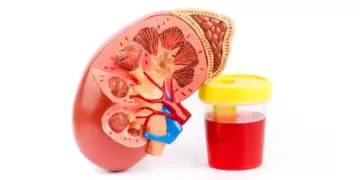
Bacteria in urine, also known as bacteriuria, refers to the presence of more than 100,000 microorganisms per milliliter in freshly voided urine (more than one bacterium per field of vision under the microscope).

In a healthy person, urine is sterile – it contains no bacteria. However, if the kidneys or the urinary tract are infected, bacteria can enter the bladder and begin to multiply rapidly. Bacteria in urine as a result of pathological processes may appear due to impaired glomerular filtration. If a bacteriological method identifies less than 10⁵ bacterial colonies per milliliter, it may simply indicate urine contamination. When bacterial levels are very high, a true bacteriuria is diagnosed.

Bacteria can enter the urine in two ways:

  1. Descending route – from inflammatory sites in the kidneys, bladder, prostate (in men), or glands located behind the urethra.

  2. Ascending route – as a result of instrumental procedures such as catheterization, cystoscopy, etc.

Quantitative bacteriological analysis of urine allows for precise determination of bacteriuria levels.

The test may take 24 to 48 hours. False-negative results may occur if the urine is overly diluted. This is often caused by high fluid intake or the use of urinary antiseptics. If positive results are obtained, it is essential to identify which bacteria grew in the culture and their sensitivity to antibiotics and sulfonamides. This is especially important for prescribing rational treatment.

To determine the source of infection (the source of the bacteria), urological diagnostic methods are used:

  1. Cystoscopy

  2. Quantitative bacterial count in urine

  3. Catheterization of the ureters

  4. Detection of bacteria in the urine sediment using antibody labeling, and others.

Asymptomatic Bacteriuria

If bacteriuria is present without other clinical symptoms, it is called asymptomatic bacteriuria.

Typically, high-level bacteriuria is associated with serious urological diseases such as:

  • Acute or chronic pyelonephritis (in certain stages)

  • Urethritis

  • Cystitis

  • Prostatitis (inflammation of the prostate gland)

There are many folk remedies known for treating urinary tract infections. Many herbs do indeed have anti-inflammatory and antibacterial properties and can be used to treat infections in parts of the urinary system.

However, self-treatment based solely on the presence of bacteria in urine is not recommended.

It is essential to consult a doctor, who will evaluate your condition based on urine tests and other diagnostic results, determine the exact diagnosis, and prescribe appropriate treatment. Simply using herbal remedies to clear bacteria from the urine is often not a lasting solution. The condition may appear to improve temporarily, but the source of infection may remain, leading to recurrent illness under favorable conditions. That’s why it is crucial to see a medical specialist!

Important to note: An unpleasant, specific odor in urine can be caused by various pathologies. Dehydrated urine is much more concentrated and often has a stronger ammonia smell than normal urine. Certain foods and medications also affect urine odor. During urinary tract infections, the urine may develop an especially foul smell, become darker, and appear cloudy.


Karazanashvili Robotic Center offers treatment for urinary tract infections using methods that meet international medical standards.
Contact us: 2 23 40 23
Contact us

Karazanashvili Robotic Center is the only clinic in the Caucasus where robotic surgeries are performed.

  • Phone: (+995) 322 23 40 23
  • WhatsApp: (+995) 595 23 30 23
  • E-mail: [email protected]
  • Follow us on Facebook
  • Follow us on Instagram
  • Follow us on LinkedIn
Book a visit

Book an appointment with a doctor in advance. Our operator will contact you regarding the details and conditions of your visit.

Our branches

Karazanashvili Robotic Center operates five branches — in Tbilisi as well as in Batumi, Kutaisi and Zugdidi.

  • Tbilisi, 1 Chachava Street, 9th floor
  • Tbilisi, Vake-Saburtalo branch: 2 Danelia Street
  • Batumi, 21 Lech and Maria Kaczyński Street
  • Kutaisi, 124 Rustaveli Avenue
  • Zugdidi, 9 Gamarjveba Street
Robotic surgery

Karazanashvili Robotic Center is the first robotic surgery center in Georgia and the Caucasus, where the most complex robotic surgical procedures are performed on the organs of the genitourinary system and abdominal cavity.

ShareTweetSendShareSend
Previous Post

Thyroid Diseases – Diagnosis and Treatment of Thyroid Disorders

Next Post

Sexually Transmitted Infections – One of the Risk Factors for Male Infertility!

პროსტატის კიბოს უნიკალური სკრინინგი
News

Unique prostate cancer screening

სისხლიანი შარდი | ფოტო
Symptoms

Blood in Urine – Diagnosis and Treatment

ტკივილიddd მუცლის ქვედა ნაწილში, მცირე მენჯში | ფოტო
Symptoms

Causes of Pelvic Pain and Innovative Treatment Methods

დიზურია, წვა შარდვის დროს | ფოტო
Symptoms

Dysuria, burning during urination ─ Possible causes, diagnosis and treatment

Leave a Reply Cancel reply

Your email address will not be published. Required fields are marked *

No Result
View All Result

NEWS

ტექნოლოგიური ჯაჭვი ერთ სივრცეში – როგორ შეცვალა ქარაზანაშვილის რობოტულმა ცენტრმა ქართული მედიცინის რეალობა
News

The Technological Chain in One Place — How the Karazanashvili Robotic Center Changed the Reality of Georgian Medicine

ლიმფური კვანძები
კატეგორიის გარეშე

The Importance of Lymph Nodes in Oncourological Patients and the Role of Karazanashvili Robotic Center

რობოტულ ქირურგიაში – ყველაზე დიდი გამოცდილება საქართველოსა და კავკასიაში.
News

The greatest experience in robotic surgery in Georgia and the Caucasus.

პროსტატის კიბო – დიაგნოსტიკა და მკურნალობის თანამედროვე მეთოდები
News

Prostate Cancer – Modern Methods of Diagnosis and Treatment

ახალი, ხელოვნური შარდის ბუშტი – რობოტული ქირურგიით! საქართველოსა და კავკასიაში მხოლოდ ჩვენს კლინიკაში!
News

The pinnacle of robotic surgery development in the Caucasus — exclusively at Karazanashvili Robotic Center.

პროსტატის კიბო | პროფესორი გურამ ქარაზანაშვილი BMG Drive-ში
News

Prostate Cancer | Professor Guram Karazanashvili on BMG Drive

2026 © ქარაზანაშვილის რობოტული ცენტრი

  • Home
  • About Us
    • Hospital
    • Doctors
    • Medical Equipment
    • Administration
    • Quality Control
  • Our Branches
    • Dighomi Branch
    • Vake-Saburtalo Branch
    • Kutaisi Branch
    • Zugdidi Branch
    • Batumi Branch
  • News
  • Services
    • Urological Hub
    • Gynaecological Hub
    • Oncology
    • Surgery
  • For Patients
    • Manager
    • Symptoms
    • Deseases
    • Medical Examinations
    • Treatment Methods
    • Insurance
    • Healthcare Programs
    • Online Consultation
    • Book an Appointment
  • For Doctors
    • Guidelines
    • Scientific Studies
  • Patient stories
  • Contact information
  • Book an Appointment
No Result
View All Result
  • GE
  • RU

2026 © ქარაზანაშვილის რობოტული ცენტრი